When confidence, focus, or 
struggling show up at school

and you find yourself pushing harder

Watch this short video before you scroll

If this already feels like your child, this is the next step.

Which pattern do you recognise at home?

Most parents are trying hard - they just want to understand why school and tutoring aren’t landing


The next step is recognising what’s actually going on.


Below are three short videos.


Each describes a different pattern we see when things stop sticking.
Watch the one that feels familiar - even if you’d rather it wasn’t.
 

Confidence...

If evenings around schoolwork are where things fall apart at home. 
This will feel familiar.
 

Your daughter sits there, book open…
then her eyes fill up.


“I don’t get it.”
 

And suddenly it’s tears. Frustration. Panic.

Because she wants to get it right.


At home, you try to help.
You explain it one way… then another… then another.


Until you’re basically giving her the answer because she’s learned that waiting is safer than trying.


And you’re the one left carrying the weight.

This isn’t low ability. And it’s not a lack of effort - it’s effort being burned in the wrong direction.


And she learned something dangerous: 


It’s safer not to try than to get it wrong. Confidence collapses and avoidance takes over:


If this sounds like your home, pushing harder won’t fix it.

Because what’s broken here isn’t effort.
 

it’s confidence being eroded by the wrong approach.

She needs the right explanation - short, specific, and timed
properly. Inside a structure that flips confidence and lets her move forward with certainty.

Focus...

Your son sits down to do homework.
Or at least… he tells you he has.


Two minutes later, he’s drifting. Fidgeting. Getting up. Suddenly needing water.
 

You turn your back - and he’s on his phone.
 

School says, “He just needs to focus” and teachers - tutors - respond the only way they know how.


More explaining. More worksheets.
Then dumbing it down.


But he’s not interested!

  • He’s not stupid.
  • And he’s not lazy.
  • He just doesn’t see why this matters. 

It doesn’t feel like his problem.
So he checks out.


And again — it lands on you.
You’re the one pushing


You’re working harder than he is -
and nothing you do seems to matter.
 

More pressure doesn’t create focus.
It just turns you into background noise.


If this sounds like your home,
forcing won’t fix it.
 

Because what’s broken here isn’t effort. It’s the approach being used. 

Struggling...

“It just doesn’t go in.” 

“We’ve done this already.”
“He’s getting extra help… but nothing’s changing.”
 

On paper, it looks simple:

  • Behind in Maths.
  • Short answers in English.
  • Confusion in Science.

The grades are bad enough, but what really hurts is watching the effort drain away.


You hear them say, “I am trying.”
And yet… nothing moves.


That's the moment, trying starts to feel pointless and pointless effort doesn’t last.

And this is where you start feeling it too because now you’re explaining, repeating, booking extra help, rearranging evenings, bracing for another round.


Trying not to push. Then pushing anyway and feeling awful about it afterwards.

And still… nothing sticks.


School and tutors see “struggling”
and reach for the only tools they have.
More explanations., worksheets, dumbing it down or quietly moving them down a set.
 

But none of that touches the real problem. It's not about effort or ability. It’s about something deeper that was missed.

If this sounds like your home,
forcing won’t fix it because what’s broken here is the approach.


And that’s where your child’s unique blueprint comes in.


That’s how you avoid “a little more help” and stop repeating what’s already failed.
 

Your child’s unique blueprint for fixing focus, confidence, and struggle

This isn’t generic help.
This is about understanding how your child actually works.


Confidence
Turning “I don’t know…” into “I get it.”
Replacing hesitation with action.


Focus
Real switches that move attention
from the PlayStation… to getting results.


Struggle
Your daughter completing work
quickly, accurately, and without the meltdown.


Calling your child “unfocused” or “low in confidence” isn’t a solution. It’s a label.


So teachers explain longer.
Tutors slow things down.
Work gets dumbed down.


And your child quietly decides:
“I’m just not good at this.” or switches off completely.


That’s where I do things differently.

I go deep.


I find out what focus, confidence, and struggle actually mean to your child -
then I unpick the real block and flip it.

That’s when things change fast.

01

Flip The Swich

Coaching the how - while your child is learning Maths, English, or Science

Once your child’s blueprint is clear, I don’t step away from the work.
 

I coach them inside it.

While they’re learning Maths, English, or Science.
 

I use proven strategies to help:

  • your boy rise to challenge instead of avoiding it
  • your daughter push through blocks instead of melting down

This is where drive is built.
This is where focus locks in.
This is where confidence becomes action - not talk.


And once that clicks…

Work gets done.
Fast.


No more pulling your hair out trying to get him to focus.
No more watching her get upset and shut down.


Just steady effort. 

Clear thinking.
And progress you can actually see.

02

Drive & Flow

Where excuses die 
and thinking kicks in

This is where “I don’t know” stops being an excuse
and becomes a process.


Your child learns to ask:

  • What do I already know?
  • What don’t I know yet?
  • What do I need to ask or figure out next?

That’s how “I don’t know” turns into “I know exactly what to do.”


Now your child owns their learning.

Everything gets reframed. They stop waiting to be told.
 

They start thinking.


Your daughter writes down what she knows - and builds from there.
Your boy thinks, “What’s the next step?” and “What do I need to learn?”

  • And the old patterns fade out.
  • “I’ll do it later.”
  • PlayStation avoidance.
  • Tears behind a bedroom door.
  • Gone.

What replaces it is calm independence - a child who knows how to move forward, even when work gets hard.

03

Own It

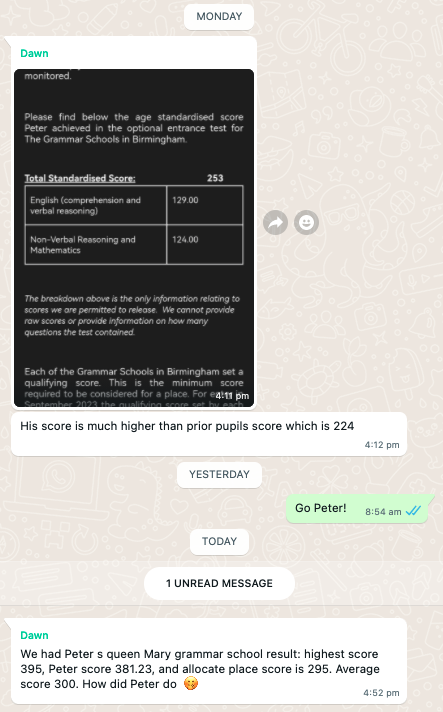
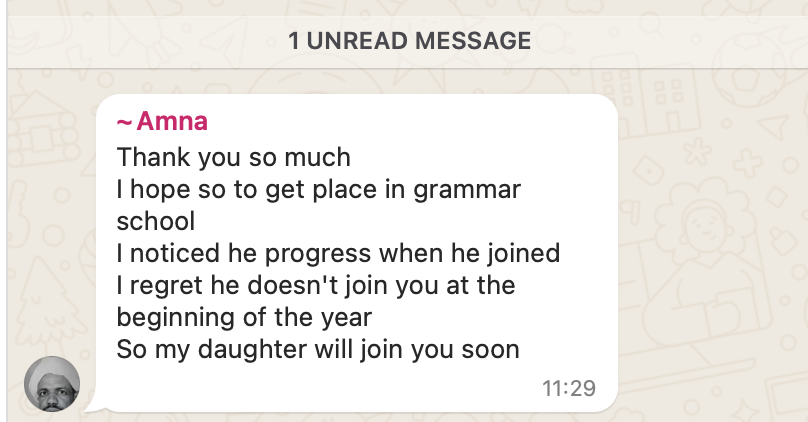
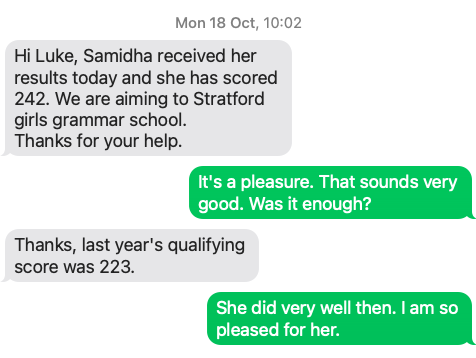
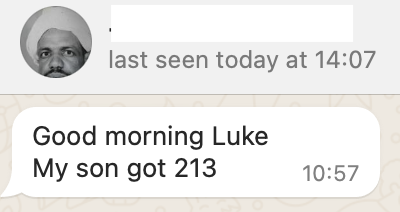
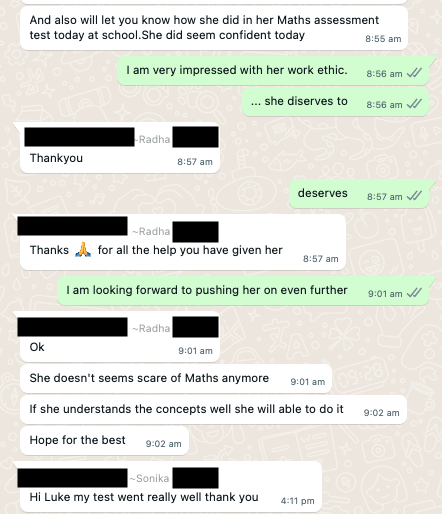
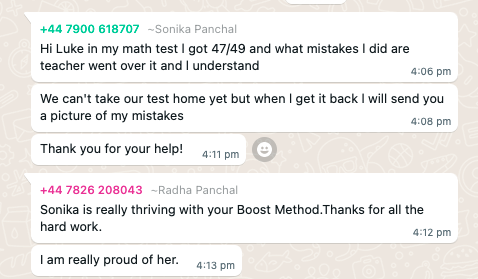
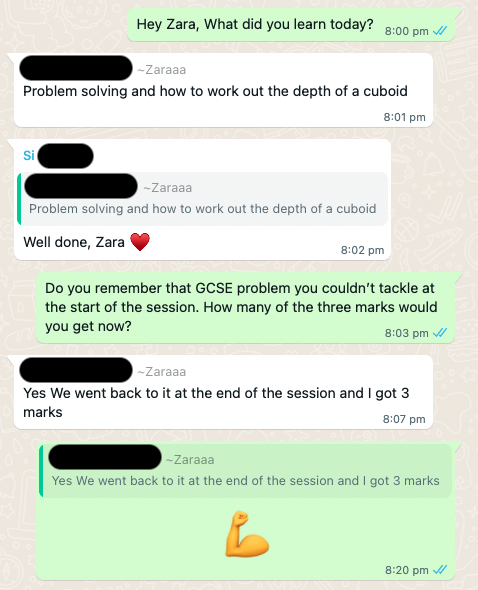
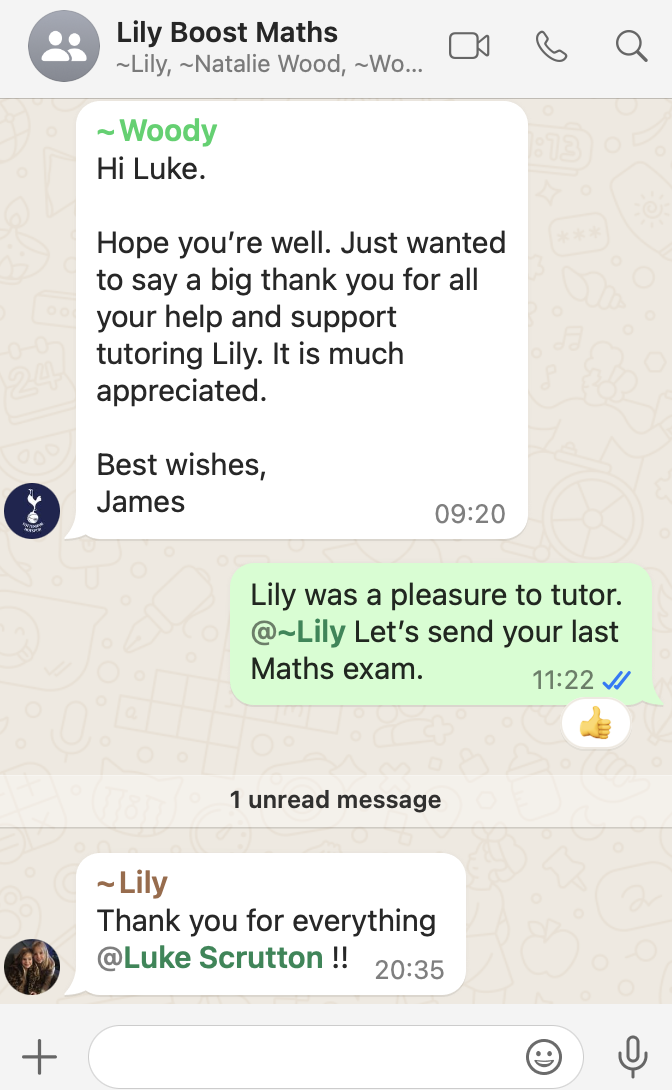
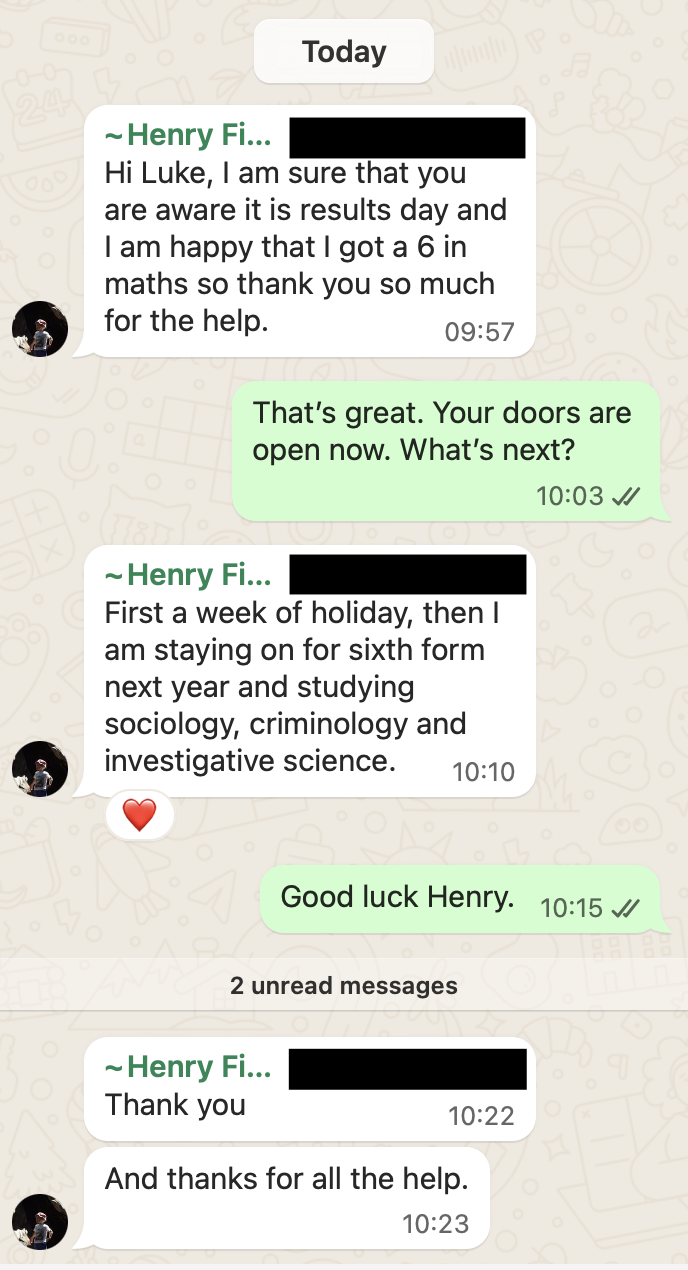
What Parents and Pupils Say

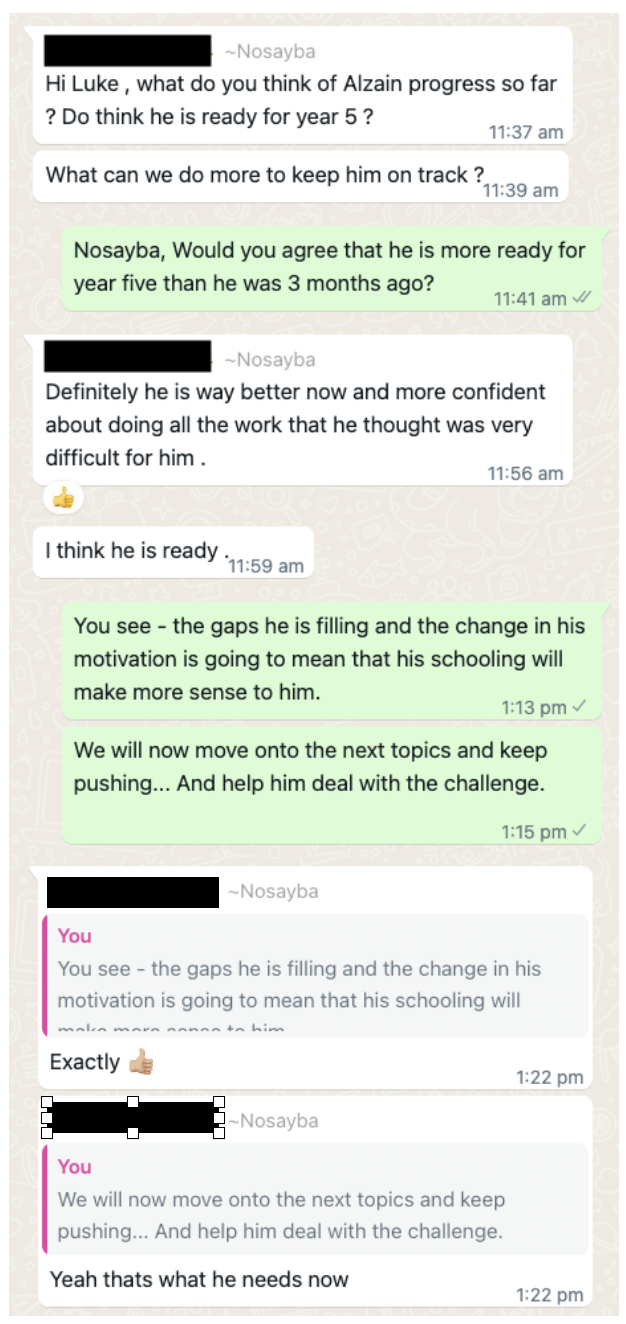
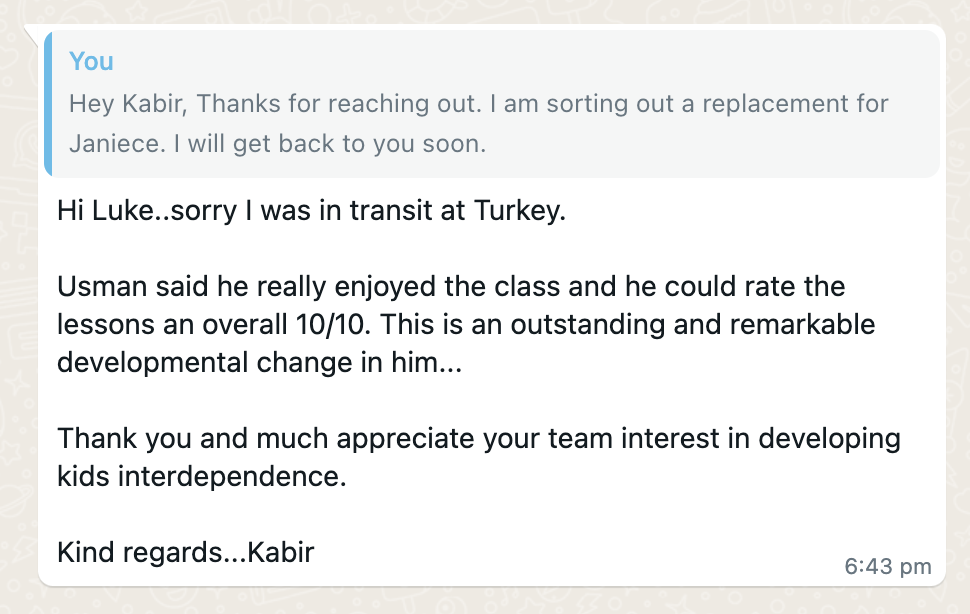
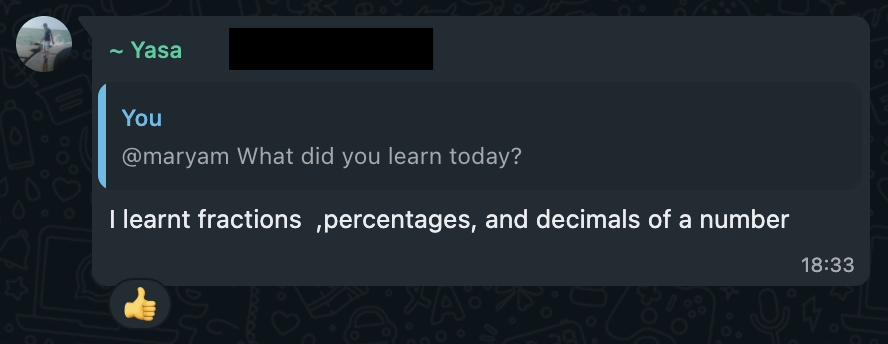
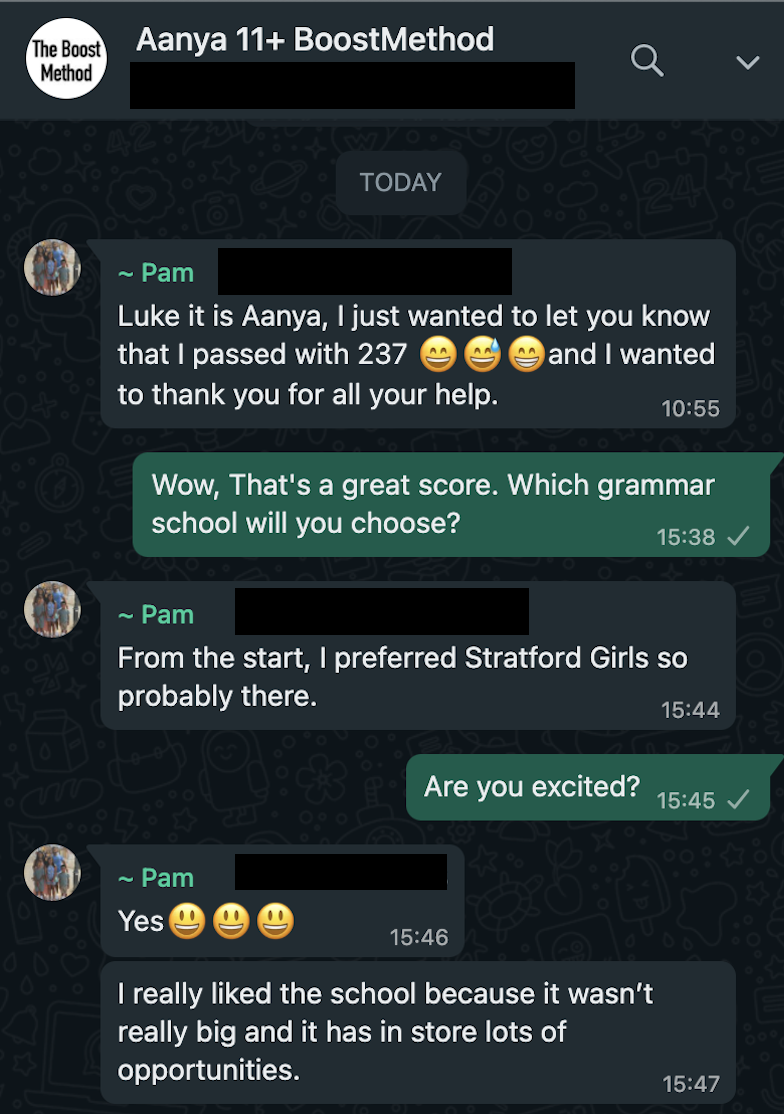
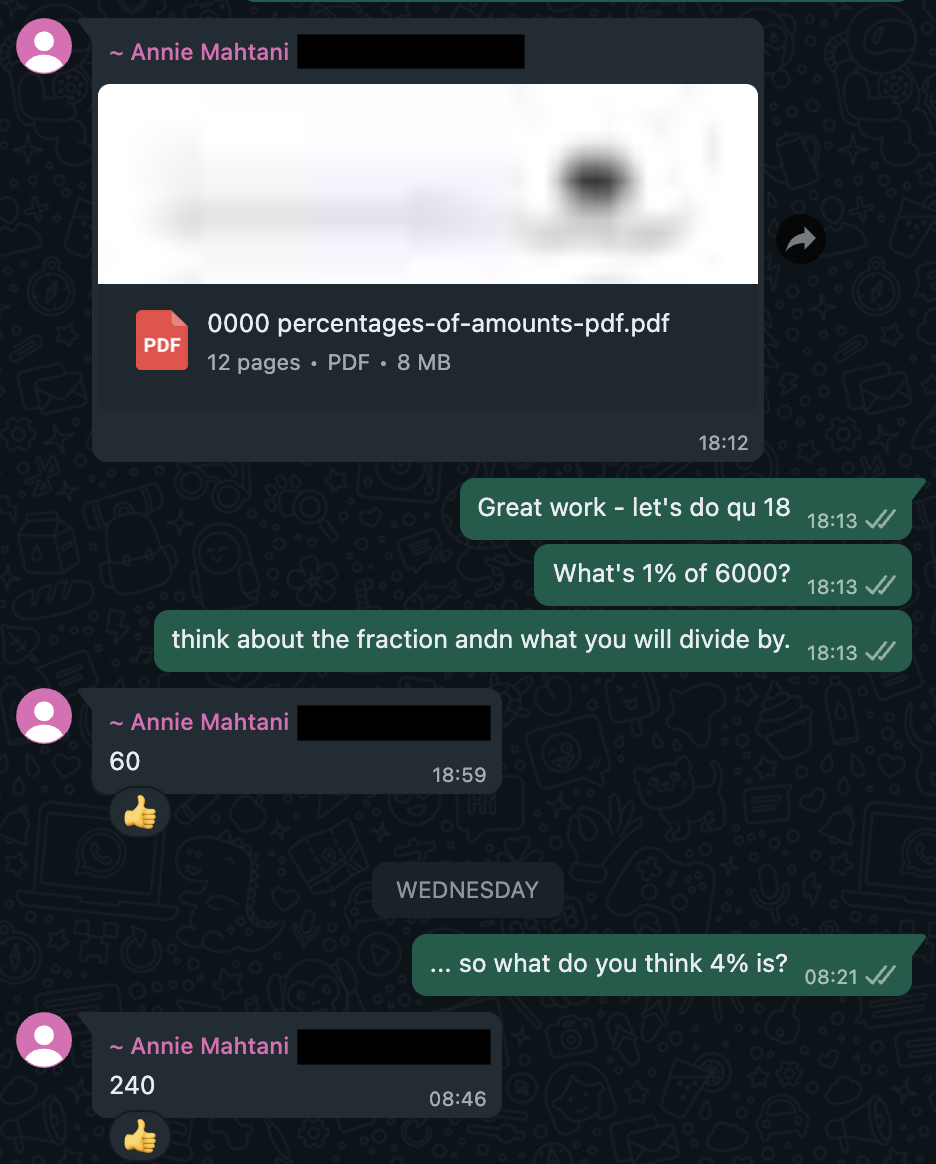
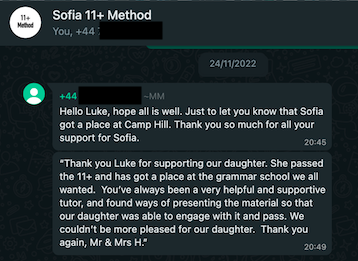
Alaa & Mohamed Stopped Struggling 
Mum enjoyed seeing them work FAST

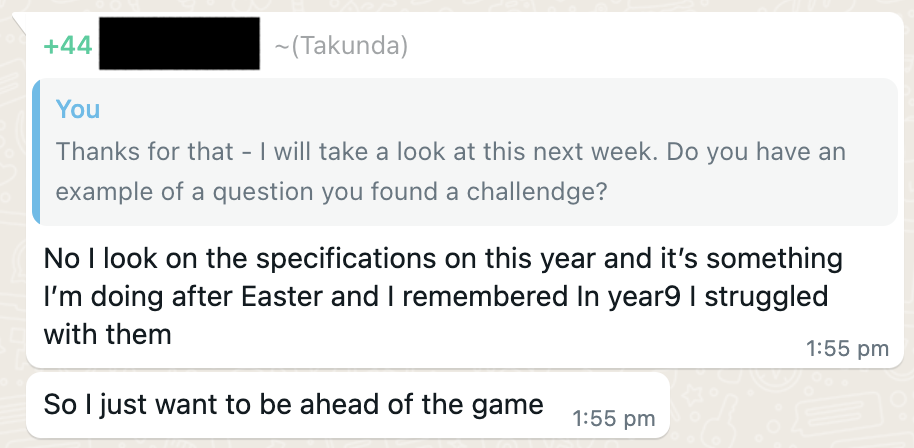
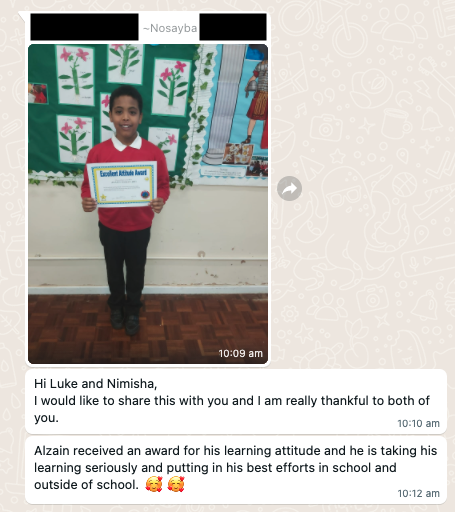
Before Luke's help my children were struggling, lacked confidence and focus. 

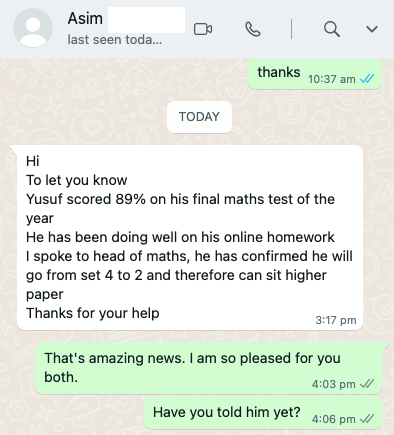
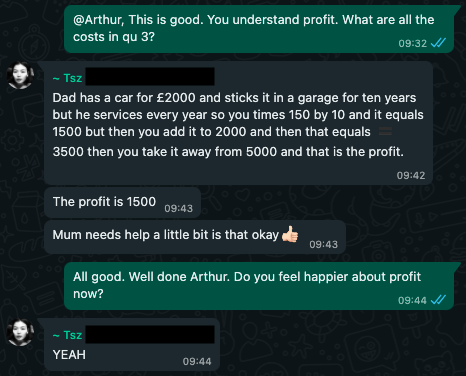
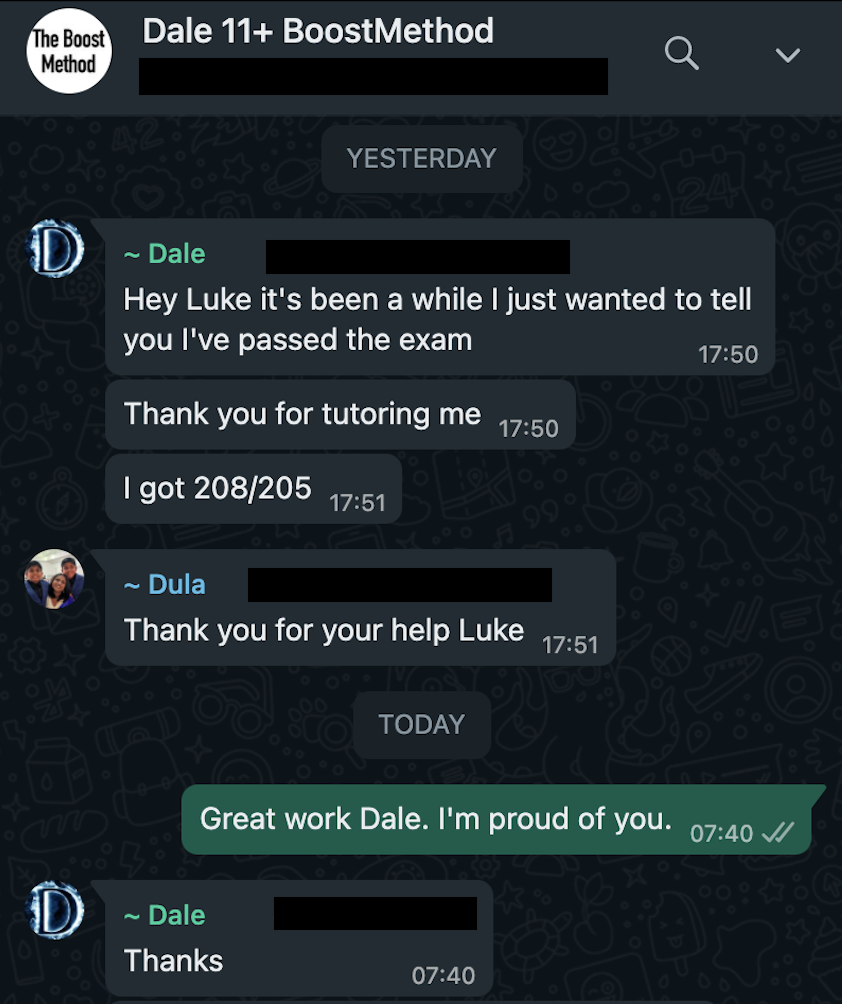
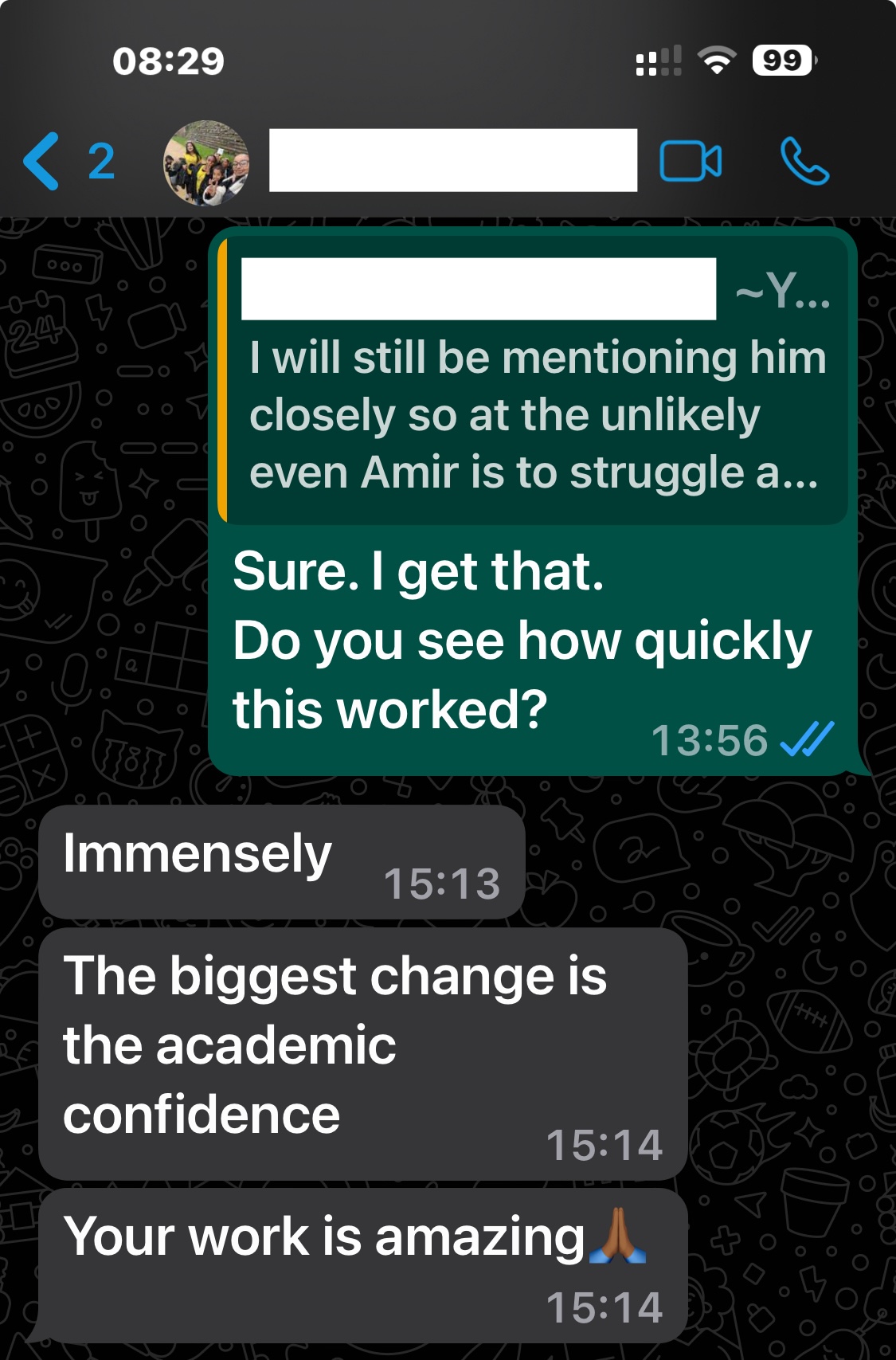
Esa Fixed Confidence
Dad could watch him fly like his sisters

Esa would not try... 
Unless he knew the
answer. 

Then this happened

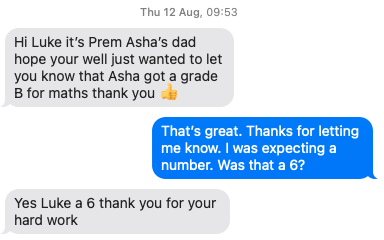
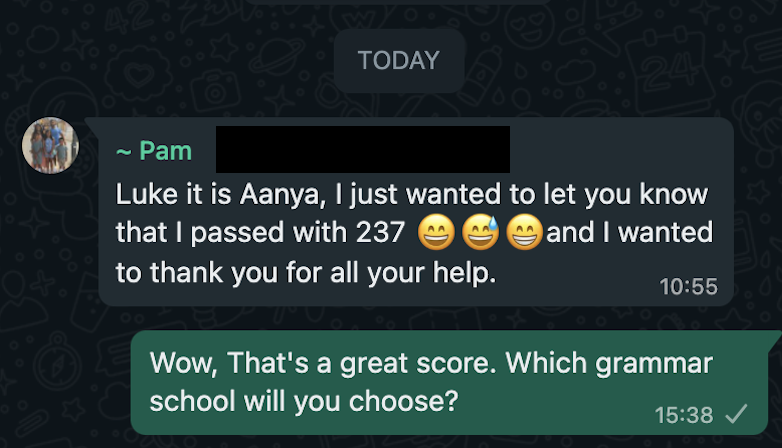
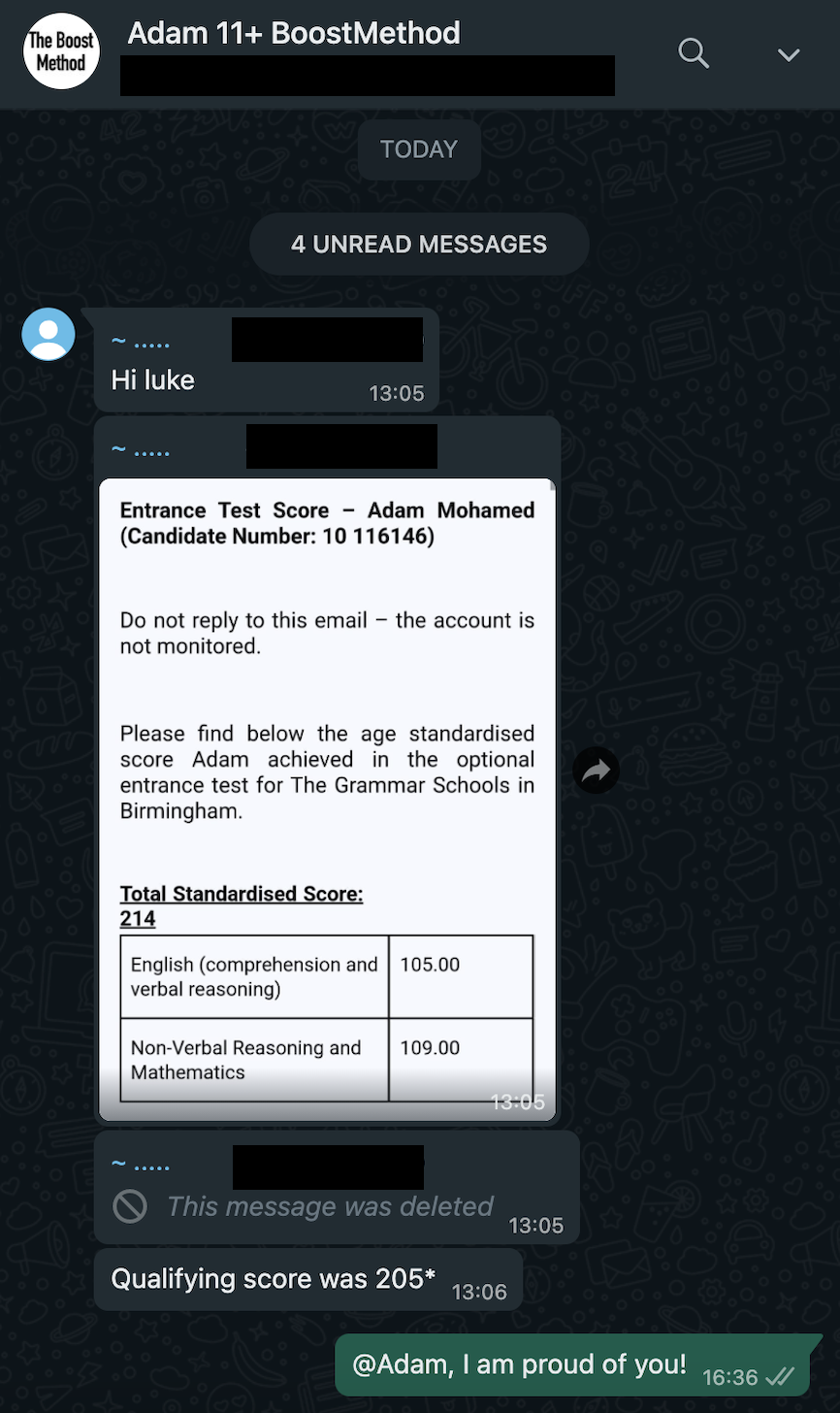
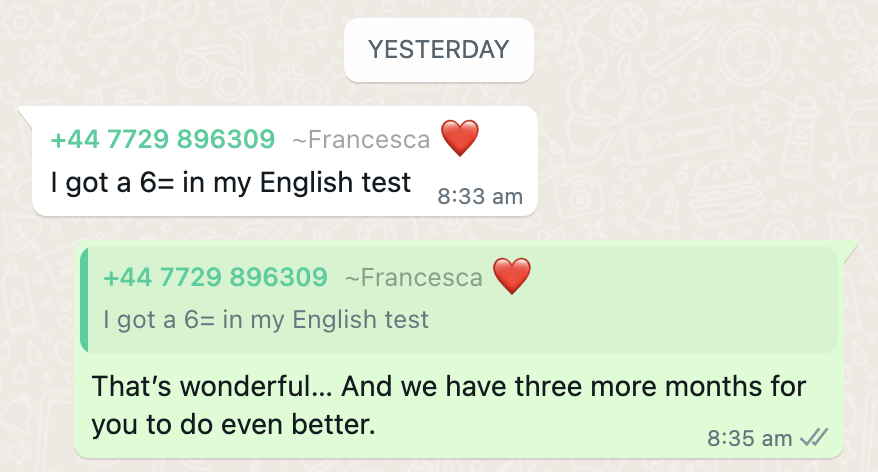
Salim Got Focused 
Mum was REALLY happy

I was lazy... but I have sat my exams and my Mum is happy. She just wanted me to study.


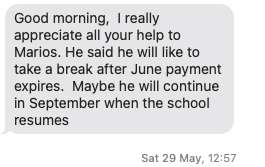
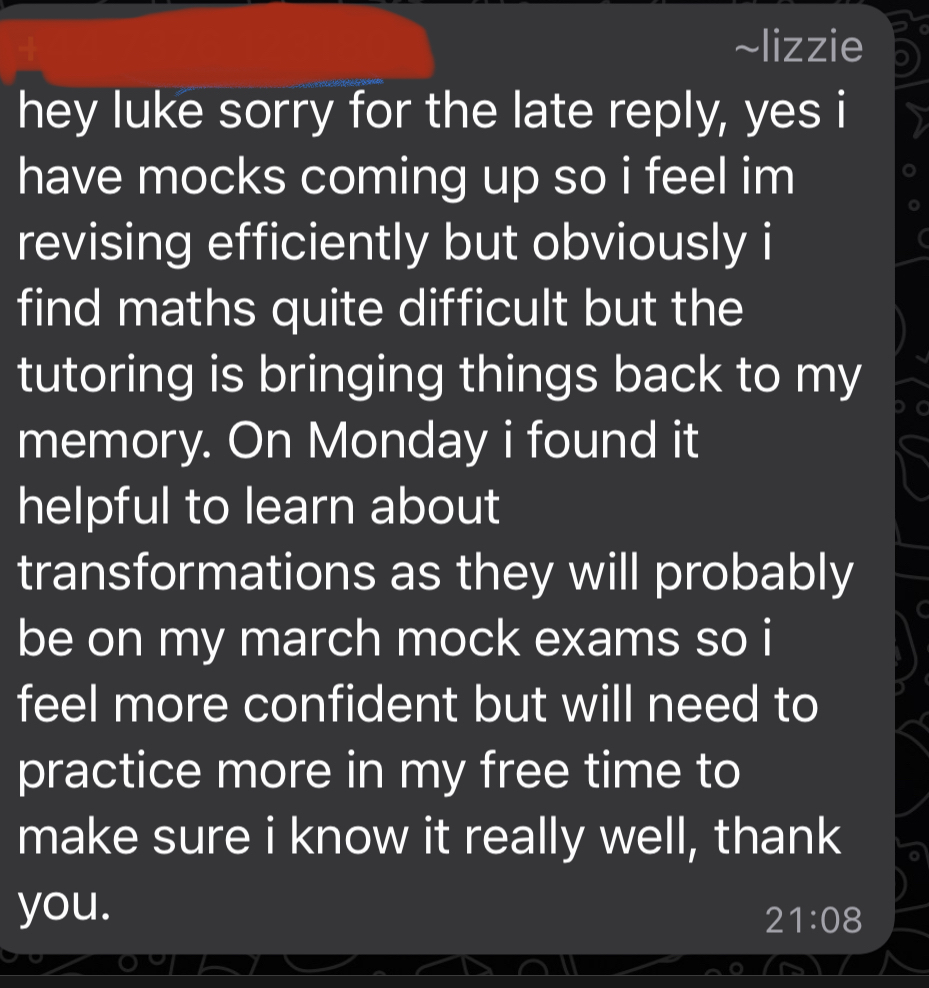
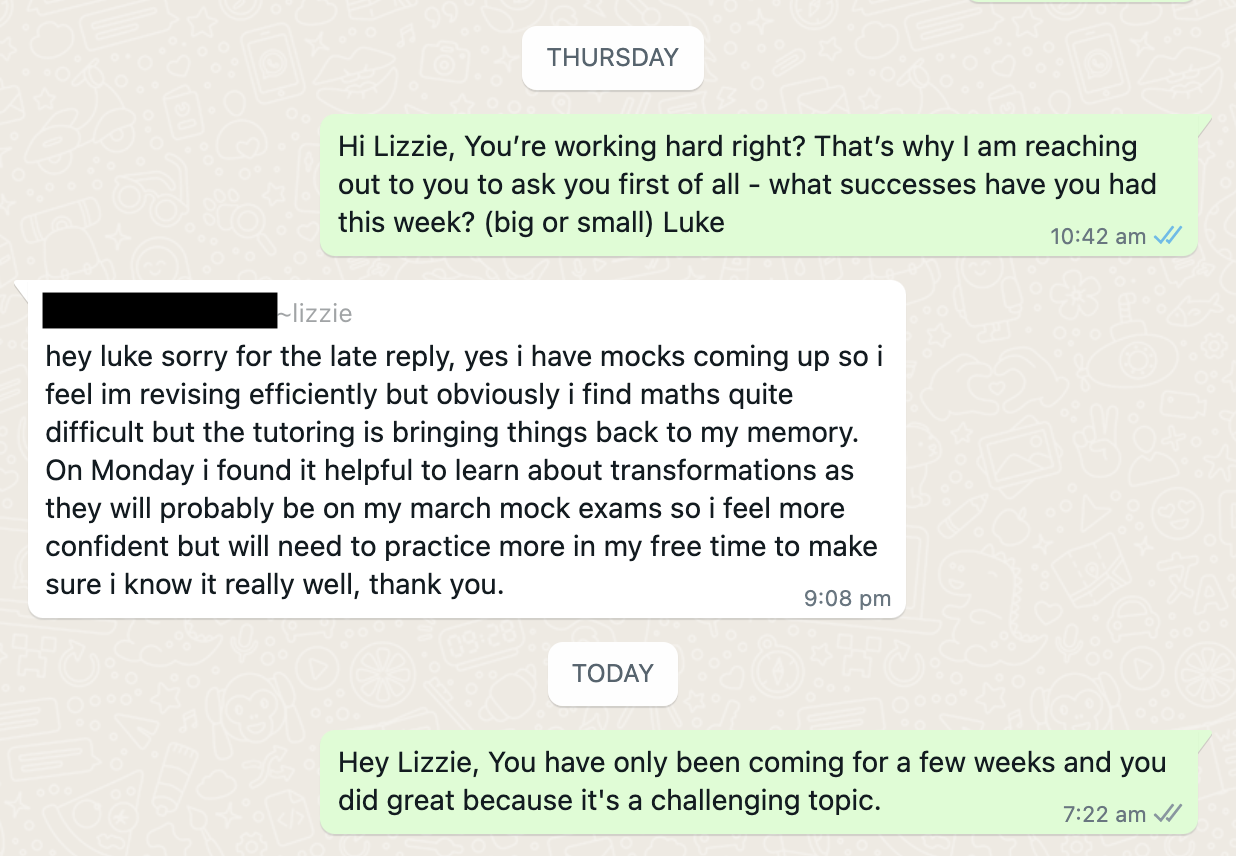
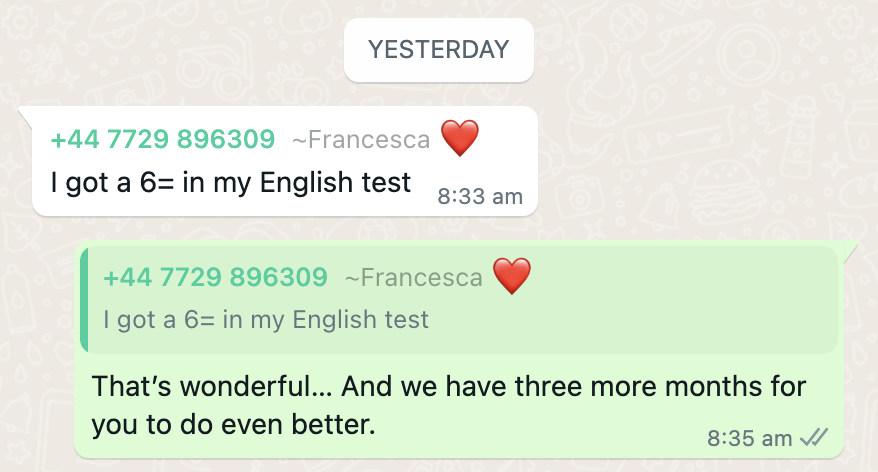
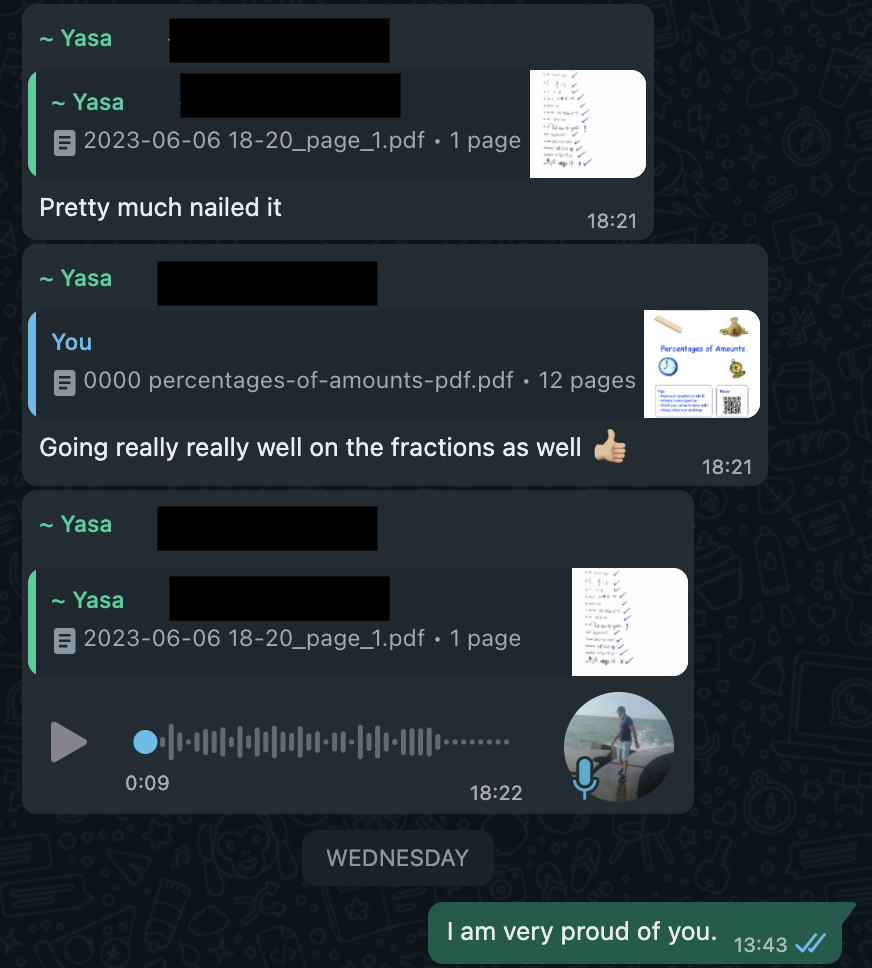
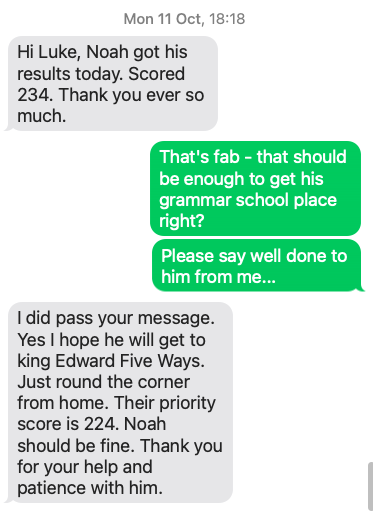
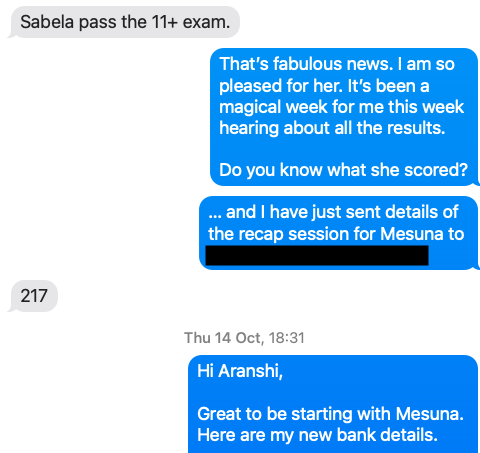
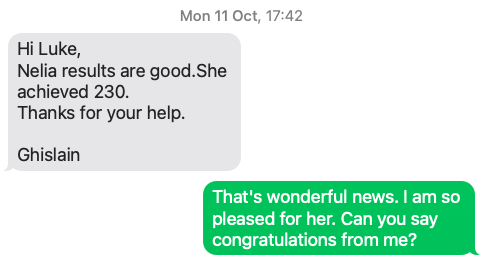
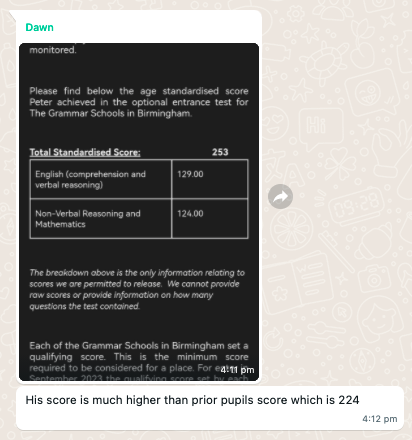
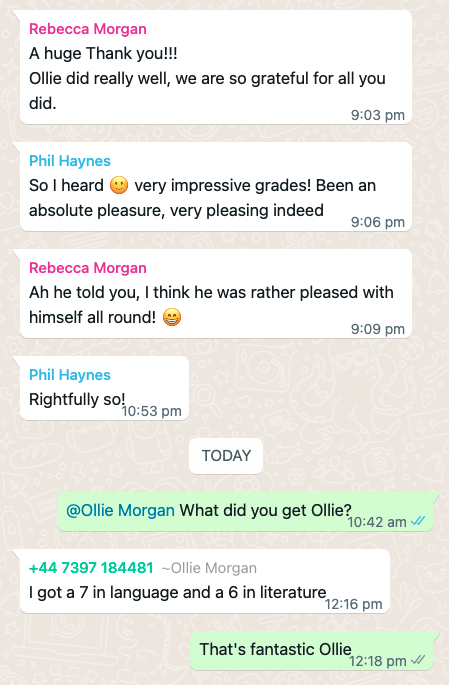
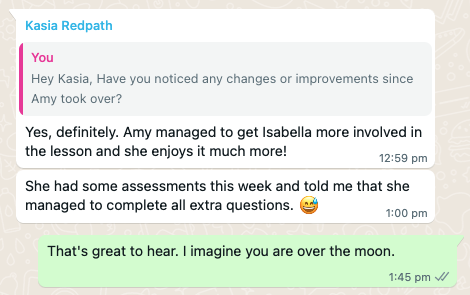
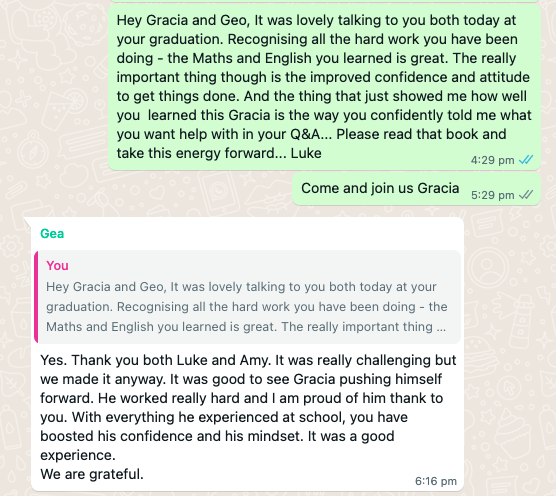
What happens when the struggle stops

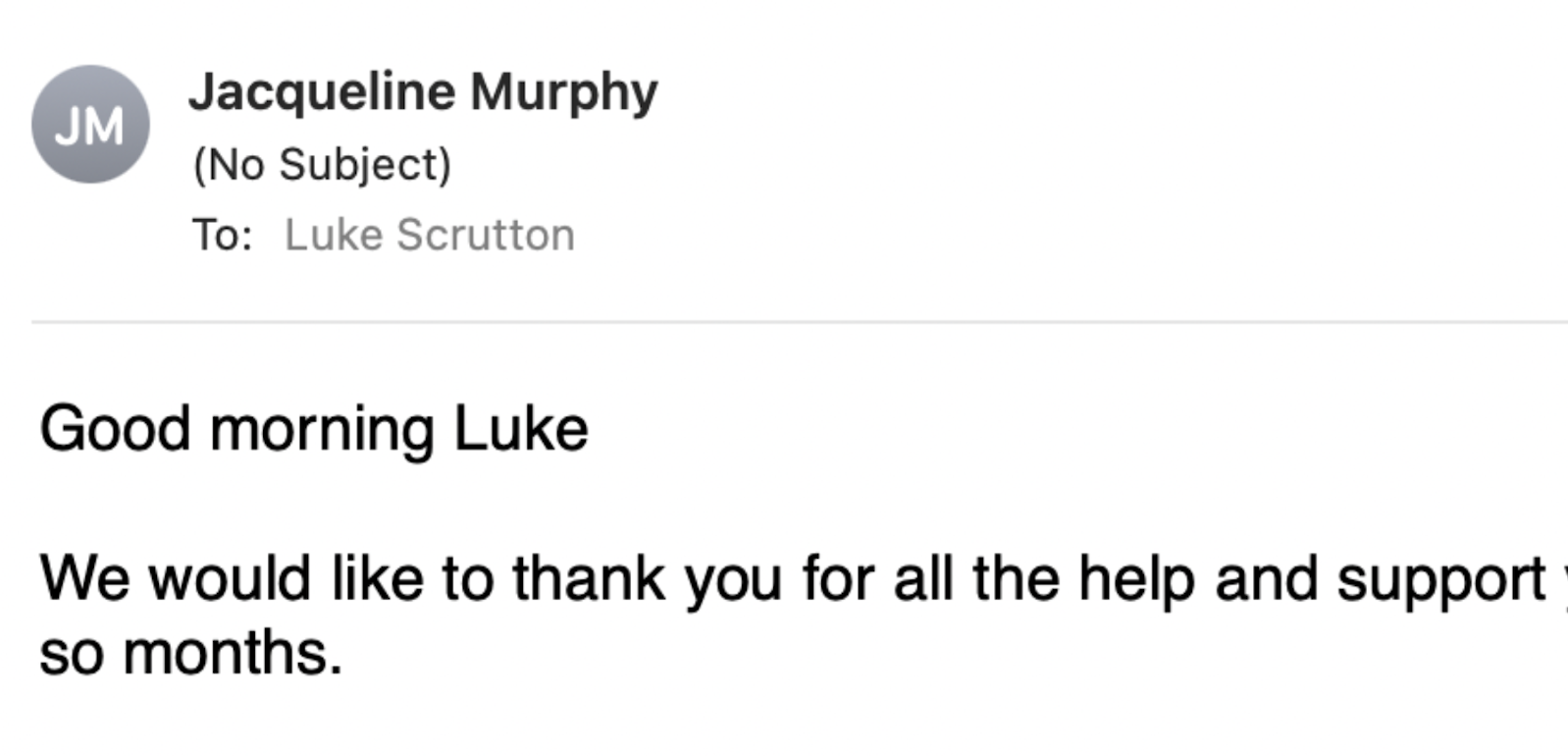
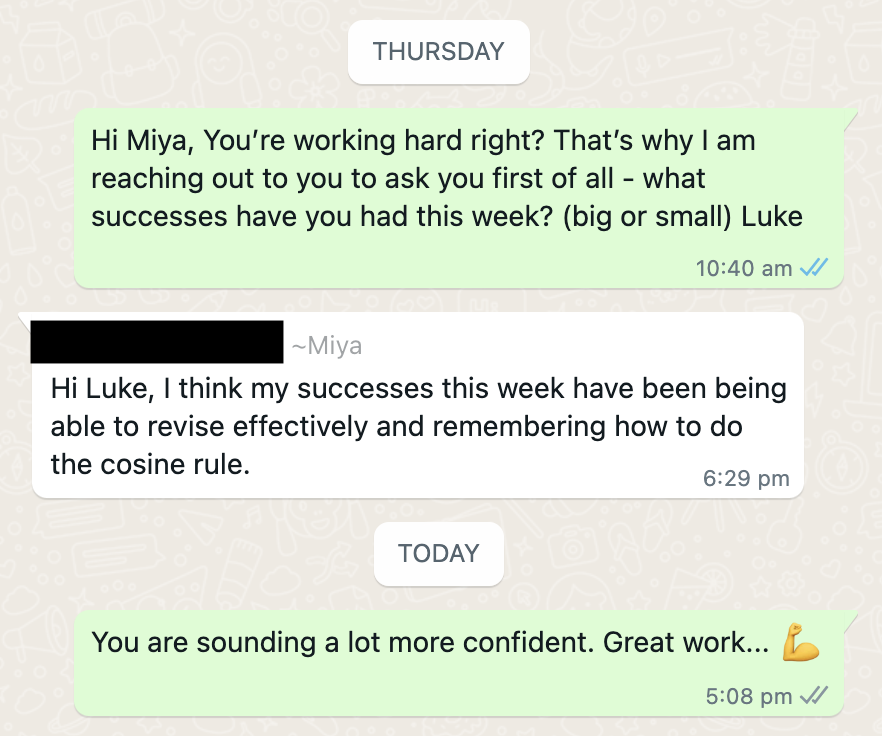
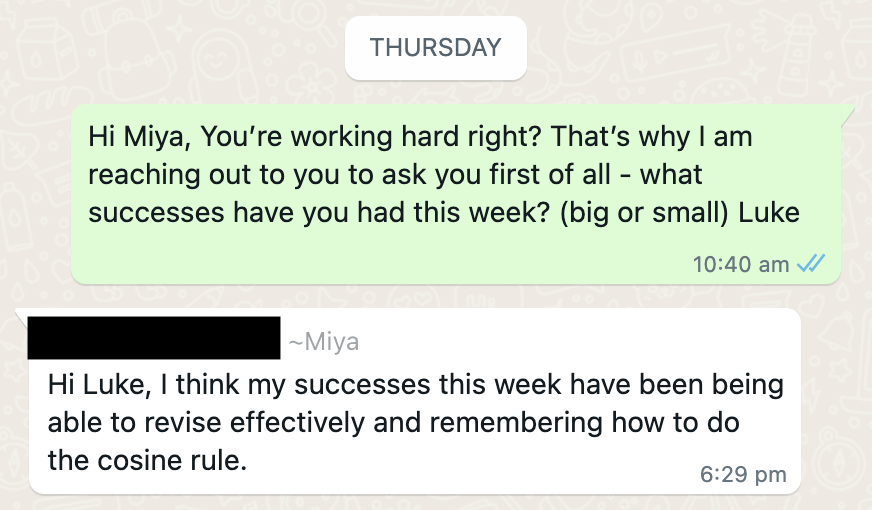
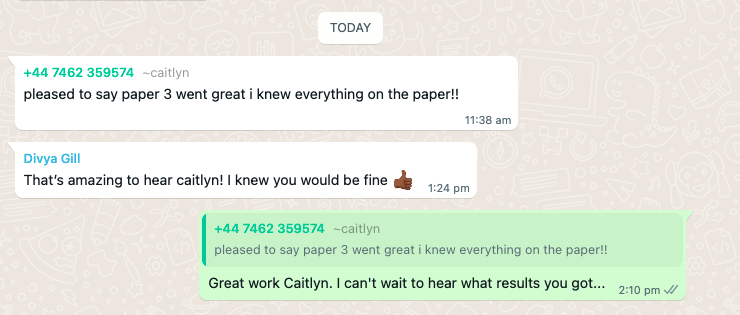
From stress, tears, and avoidance…
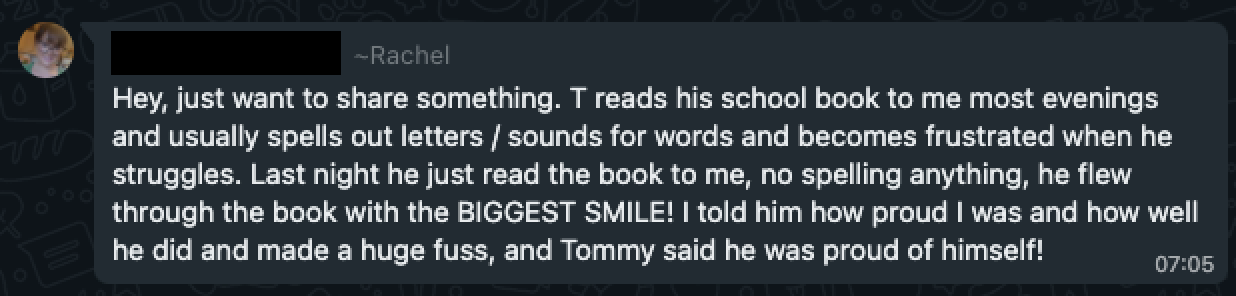
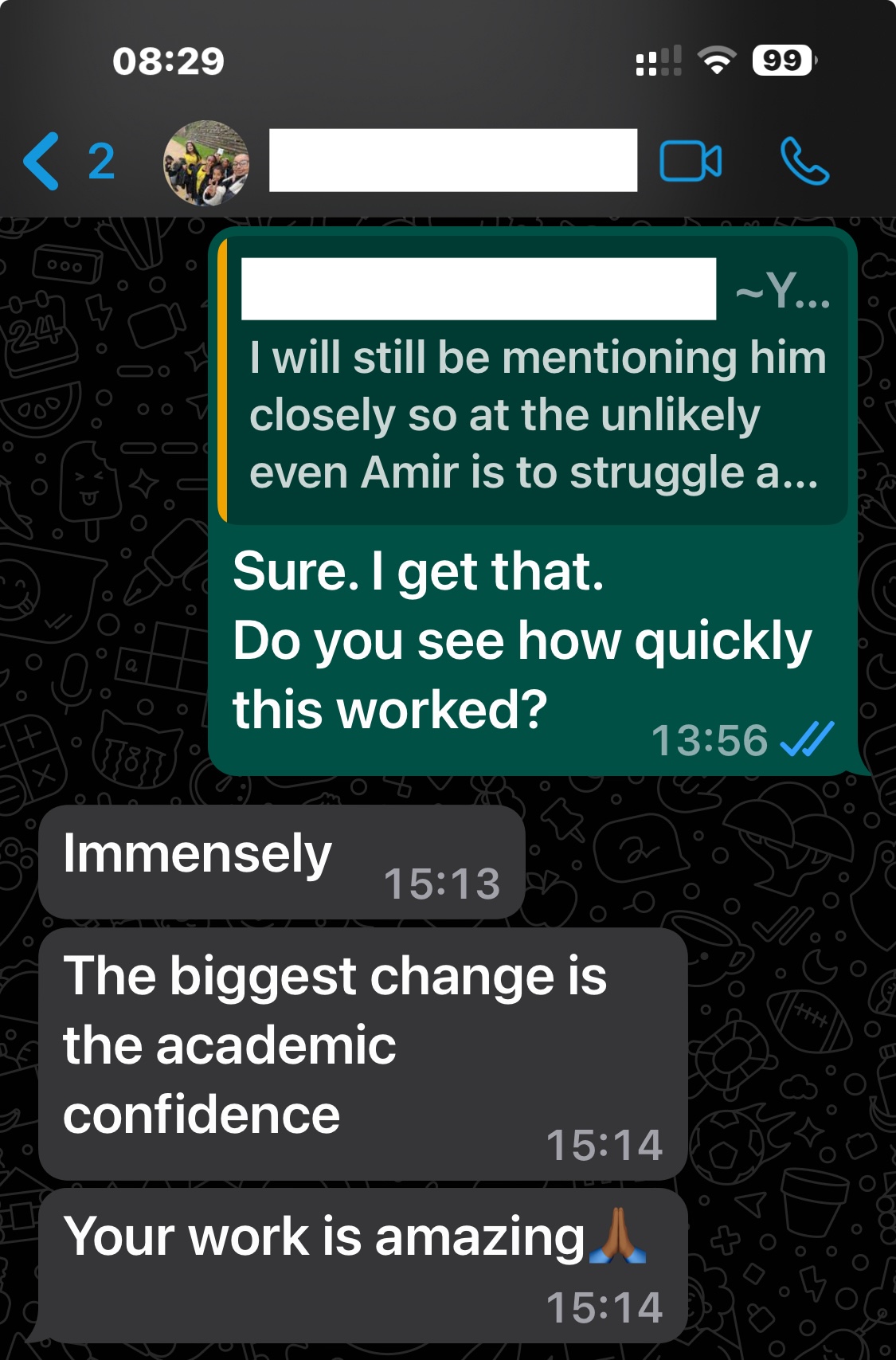
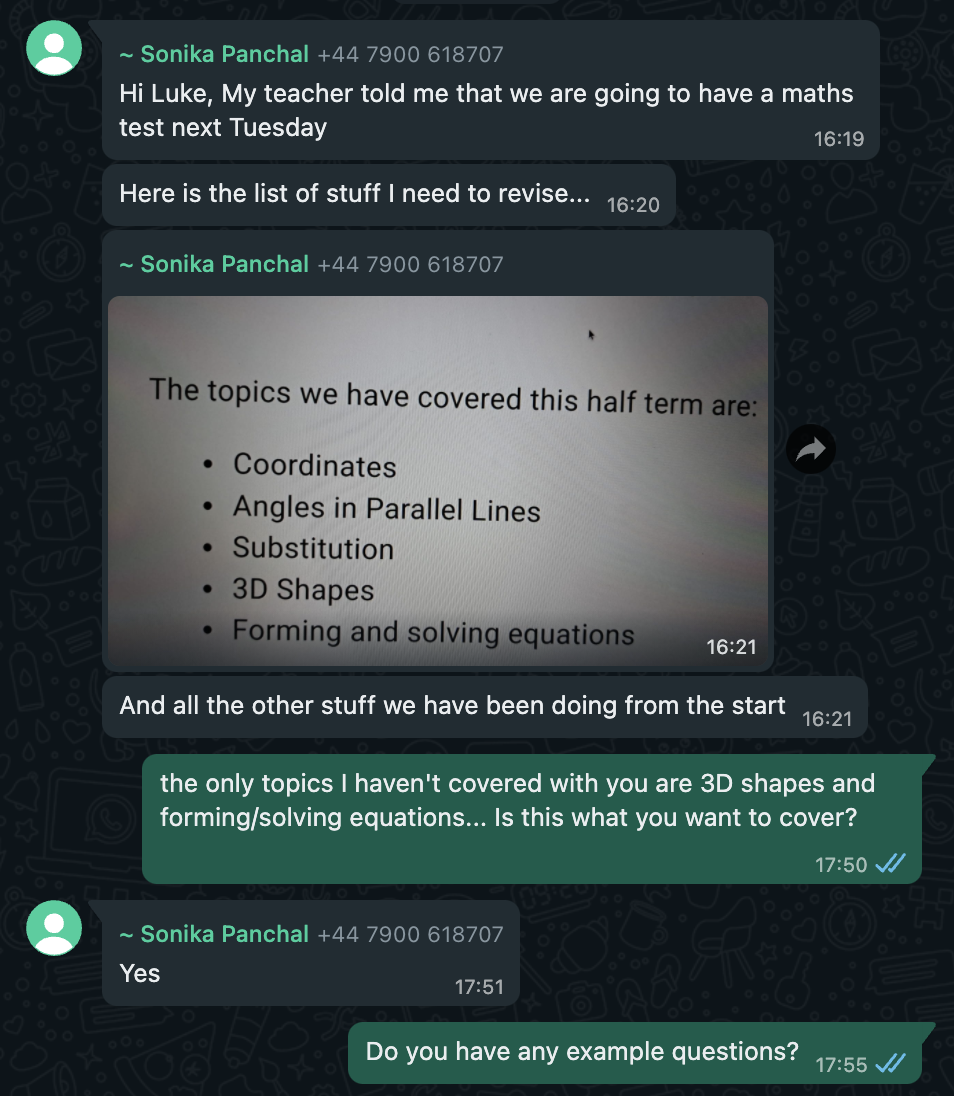
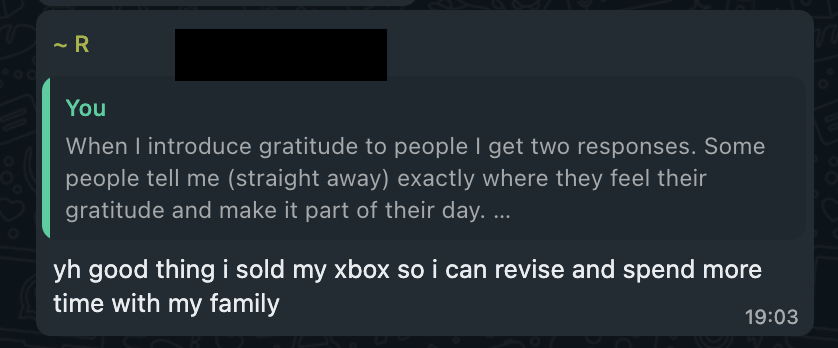
to quiet messages that make you stop and breathe again.

Questions parents usually ask 
before getting an evaluation

01

Is this just tutoring?

No. And that matters.


Tutoring repeats what school already does - just with fewer pupils and longer explanations.


That’s why it often stalls.
 

This is a structured environment designed to break the blocks that stop learning from sticking - confidence, focus, and avoidance - using Maths, English, and Science as the vehicle.


If you’re looking for someone to simply “go over the topic again,” this won’t be right.
If you want the reasons your child stopped engaging to be removed, this is built for that.

02

Will this actually work for my child? 

That’s the right question - especially if you’ve been burned before.


This works for children and teens who are willing to show up and engage - even if they’re sceptical or resistant right now.


It doesn’t work if nothing changes.


That’s exactly why I run an evaluation first - to check fit before you commit, not after.

03

What if my child resists or switches off?

Most do at the start. That’s normal.


Resistance isn’t defiance - it’s what happens when a child has learned that trying leads nowhere.


I don’t rely on motivation, hype, or trying to be entertaining.


No silly games. No dancing on camera.


I build real commitment - the kind that comes from things finally making sense and feeling achievable.


The setup makes opting out harder than engaging, so momentum builds naturally.

04

Is this group or one-to-one?

There is a small group element - on purpose.


Kids disengage on their own.
They step up when standards are visible.


And momentum spreads fast.


That said, the group is only part of the structure. Most progress comes from the daily support, the clarity, and the consistency - not sitting quietly with another adult.


Your child won’t hide here.

05

How does scheduling work?

This isn’t a fixed weekly slot where everything waits until “next time.”
 

The structure is designed to fit around real family evenings

- even busy ones.
 

Support runs across the week so things don’t slip, stall, or unravel between sessions.
 

Parents worry about fitting it in.
 

In practice, it’s never been a problem - because of how it’s built.
We cover specifics in the evaluation once we know this is a fit.

06

How much does it cost?

The evaluation itself is free.


At the end of it, you’ll leave with your child’s Blueprint — a clear breakdown of what’s actually blocking progress, what’s been making it worse, and what direction would help next.


That blueprint is yours to keep.
You can take it away and use it however you want.


If it helps you make a real change at home, that matters more to me than a quick yes.


If - and only if - I can genuinely help, I’ll explain what that would look like and make you an offer.
 

If I can’t, I’ll tell you that too.


There’s no pressure to continue, and no obligation to commit.
The evaluation exists so you can decide from a place of clarity - not hope, fear, or guesswork.

07

What if we do the evaluation
and it’s not right for us?

Then you say no.


Either way, you leave with a clear blueprint showing:

  • what’s actually been blocking progress
  • what’s been quietly making things worse
  • and what direction would help next

Clarity shouldn’t be conditional.

08

What age range do you work with?

I work with children and teens across primary and secondary — but age isn’t the deciding factor.


What matters is whether your child has started to:

avoid work or struggle

lose confidence or focus

or disengage because what they’re doing no longer makes sense


Those patterns can show up much earlier than school expects — and when they’re left unresolved, they tend to spread across subjects and years.


Catching them early is easier.
 

But even if this has only become obvious later, it’s still effective - if it’s addressed properly rather than pushed through.


That’s why the evaluation comes first.


It lets me see whether this approach fits your child’s and situation - not just their year group.

If this has answered your questions, the next step is simple.
Book your evaluation and leave with clarity on what actually helps.

This Is Where People Usually Hesitate

This video answers one question:


"If I don’t act now… what am I actually choosing?”
 

Before you press play, read this:
 

Most parents pause here not because this doesn’t make sense - but because committing means admitting what they’ve tried hasn’t worked.

If you want clarity on what actually helps your child
This is how you get it.

If you need to sanity - check this is real

Leave your details here and I’ll get back to you personally

I hereby agree that this data will be stored and processed for the purpose of establishing contact. I am aware that I can revoke my consent at any time.*

* Indicates required fields
Thank you! We will get back to you as soon as possible.

Telephone: 07951 115900

Address: 83 Summerfield Crescent, Birmingham B16 0EN

©Copyright. All rights reserved.

We need your consent to load the translations

We use a third-party service to translate the website content that may collect data about your activity. Please review the details in the privacy policy and accept the service to view the translations.